The other day I reflected on feeling God's presence in the cool morning air of Fall. Today, that cool morning air is cleansing my head of the noise that's clouding it. Like smog that suffocates the lungs; the last few weeks, even months, have been filled with the noise of political pundits, overstimulating news feeds, and annoying phone calls. One would have thought the world was going to end; this morning as I listen to the birds and watch a squirrel climb the maple tree it's good to know the world is still here and God is still present.
There's a remarkable presence of peace and joy in the outdoors. While politics is important and we must live within the economic, political and social systems of our society. We can easily forget the really real of God among us in Christ and how through the simple and physical elements of Creation, we commune with the One who really matters; God.
Friday, November 9, 2012

Tuesday, November 6, 2012
Peace in the Quiet Cool Morning
Part of my morning routine includes a quick stroll around the backyard garden with coffee cup in hand. It's refreshing to breathe in the cool air, hear the mockingbirds and walk in the goodness of Creation. This time of the year the leaves are falling and the remaining plants are succumbing to cold nights. Still I find peace and joy. There's an energy in the morning air. It's as if the cold breeze and bare trees are artfully presenting a different picture of life and Creation; one that's cleansed by the cold but also immersed in the bigger circle of life that renews the world.
The backyard, forest and field reveal seasons of life that flow with time. There's a depth of energy and life even when things become bleak. God doesn't abandon Creation to winter's emptiness. The bleak wasteland is not without purpose. Instead, through Christ's resurrection even the cold, colorless days of winter have life in being filled with the potential for Spring. The cold air itself is as if the Spirit of Christ is filling my breathe with presence and energy, as I walk around the backyard listening to the mockingbirds while watching the falling leaves.
The backyard, forest and field reveal seasons of life that flow with time. There's a depth of energy and life even when things become bleak. God doesn't abandon Creation to winter's emptiness. The bleak wasteland is not without purpose. Instead, through Christ's resurrection even the cold, colorless days of winter have life in being filled with the potential for Spring. The cold air itself is as if the Spirit of Christ is filling my breathe with presence and energy, as I walk around the backyard listening to the mockingbirds while watching the falling leaves.
Tuesday, September 18, 2012
Crossing Invisible Boundaries: What is a Neighborhood Series
There are all kinds of social, economic and political
boundaries in any neighborhood. A
government doesn't need to erect a wall for there to be a boundary that divides
people through labeling and categories that define how people treat and
interact with one another. City
neighborhoods are fascinating social landscapes where one street can house
upper middle class residents and the very next street display abject
poverty. The line between these two
neighborhoods is not monitored by soldiers or check points but the people living
there will not interact or relate to one another.
Jesus was aware of boundaries in his social context. There were boundaries between Jews and the
Romans, the poor and wealthy land owners, religious leaders and the people they
served, those with leprosy forced to live outside the walls of a town and the rest
of the inhabitants. For Jesus every
person was a creation of God who bore the image of God even if that image was distorted
by social conditions, illness or sin. In
Jesus the fullness of God dwells so that God is filling our humanity with God’s
self to give abundant life. Through
Jesus the fullness of our humanity is brought into the presence of God. Jesus embodied this reality that restored the
image of God that’s distorted by social conditions and sin by healing the sick,
loving the rejected, and giving life and significance to the outcast.
One day Jesus encounters a group of lepers who were forced
to live outside of the town because their disease made them unclean; not only
for health reasons but having leprosy meant you were rejected religiously. The proper etiquette in such an encounter
would be to keep the lepers away from you so that you’re not tainted by their
disease and become unclean too. Instead
Jesus allows the lepers to touch him as they beg for healing, lays his hands
upon them and restores them to life. The
result is that they go to the priests to be pronounced clean and are restored
to society.
The persistence of boundaries, such as the one with lepers
in Jesus’ day, degrades the functioning of a neighborhood. It’s not that one with a contagious disease doesn’t
need to be careful so that there isn’t an epidemic, but that the social stigma
and religious condemnation distort the image of God in the person. We need to dismantle the social, economic and
political divisions in a neighborhood so that people can come together to solve
the ills of society, but also to be one, to be united in the life that God
intends and desires for all of Creation.
The social barriers erected in a neighborhood increase our alienation
from God and one another. In Christ
these barriers are overcome to restore us to unity with God and each other in
divine love.
Neighborhood Character: What is a Neighborhood Series
Neighborhoods are many things, displaying different
personalities and character. Some
neighborhoods have a communal character where people know one another, share
their resources and help one another in times of need. Other neighborhoods have a cosmopolitan
character with a myriad of possibilities for entertainment, art, music and a
diversity of culture. The sad reality is
that many places where people live today do not function as neighborhoods because
the person next door is unknown, a stranger, maybe even someone feared for
unfounded reasons. Our social networks
are spread out and made possible through transportation and social networking
sites but the person living next door is non-existent unless there’s a
conflict.
Neighborhood exists where people have a shared belonging and
togetherness in the daily happenings of life.
If a person’s grass doesn’t get mowed because of their schedule or
illness a neighbor will take care of the yard; no questions asked, without
charge. A neighborhood is where people
will serve a family whose struggling financially due to a death, unemployment
or illness by fixing a broken window or some other home repair the family is unable
to do. This is in stark contrast to a
neighborhood where a moving trunk halls away a family’s belongings while they’re
on vacation. Nobody realizes the family’s
been robbed because nobody knows who they are or what’s happening. They’re neighbors that don’t function as a“hood”,
a community of belonging and togetherness.
A healthy society is one where neighborhoods have a holistic
character that provides for people’s relational and physical needs. We are communal in nature so that even the
most rugged individualists desiring isolation needs some human interaction for
comfort, love, and relational connection.
The Christian faith believes people are made in the image of God who
exists as a Trinity. The Trinity consists
of three Persons, the Father, Son and Spirit, who in complete self-sacrificing
love given to one another are totally one.
The Trinity is an icon of community, love and unity that doesn’t destroy
the integrity of the person but manifests love.
It’s this image of God that we call communion which necessitates the
need for social systems where people are authentically connected. Social
networking sites are great resources, but don’t and can’t replace real,
physical, human contact where people tell stories, listen to one another, and
interact with each other.
A healthy neighborhood is more than creating a safe place to live that doesn't have any crime. It’s where the various systems of culture
that provide the framework for living, such as food, economy, housing, social
interaction, etc. are functioning in a sustainable manner. Neighbors are not necessarily best friends
but neither are they strangers. They are
people through and with whom we live life.
A neighborhood is the place where everybody knows your name which is to
say you belong, this is a place of purpose and life for you.
Wednesday, August 15, 2012
Third Place and Community Meals
How
do you know when you belong in the neighborhood?
What constitutes a community?
Once we graduate from school we spend a large part of our day in the
place where we work. Second to the work place
is the home as a place where a large amount of time is spent; for some the home
may exceed the workplace depending upon circumstances and occupations. While both of these places are important for
the functioning of a society there is the need to have a place in between them;
especially since both are generally private places.
For
a healthy sense of community to emerge, in any neighborhood, there must be a
place where the people of the neighborhood gather and interact with one
another. Without this relational
interaction the community is dysfunctional, consisting of isolated individuals with
no connection to one another other than the walls of the houses between
them. A healthy community provides a sense
of belonging and relational connection for all the people who inhabit the neighborhood.
Third
Place is a term used by sociologists to describe public space where
neighborhoods can gather for socializing that brings people together. The Lititz Springs Park serves this purpose
for the town of Lititz with various events that foster the socializing
process. The banquet Matthew the Tax
Collector held was a form of Third Place.
Though it was in his home it consisted of the town’s outcaste (because of
lifestyle or occupation), religious leaders and Jesus and his disciples, eating
together as people with God in their midst.
Jesus
is walking through town and sees Matthew sitting at his tax collecting
booth. Matthew is despised not just
because he’s rich and collecting taxes but because the taxes are for a foreign
government and an occupying army whose culture and beliefs are antagonistic to
the Jewish people. There’s a divide; a
social, political and economic barrier between Matthew and Jesus. Instead of staying in his place and leaving
Matthew in his, Jesus crosses the barrier and invites Matthew to be one of his
followers. Matthew is so overcome with
joy that he holds a grand feast inviting other despised tax collectors,
prostitutes and sinners. Jesus eats with
the people, along with his disciples and, apparently, the Jewish religious
leaders who are criticizing Jesus for doing this.
Matthew’s
banquet is a neutral place where God in Christ and the various groups in
society gather to interact. This
interaction isn’t without its conflict, such as the judgmental attitudes of the
religious leaders. Still the town is
there, eating and relating with one another, seeing each other, and hearing one
another’s stories.
The
Community Meal at LititzMC is about creating a Third Place in Lititz. This Third Place actually extends to northern
Lancaster County because it encompasses anybody and everybody who comes from
around the area. People may know each
other or be complete strangers. Still we
gather around food that creates a bond between strangers, breaking down social,
political and economic barriers for people to authentically be together as
people. This Third Place is facilitating
deeper relationships that, hopefully, will lead to holistic expressions of
community in our neighborhoods.
Tuesday, March 13, 2012
Spring Has Sprung
In the beginning there was a Garden of Eden.... How can we encourage people to micro garden for the sake of self, thy neighbor and thy God? Is it convenient and easy enough for anyone to accomplish? What knowledge is necessary to sustain a healthy garden? Is micro gardening even possible?
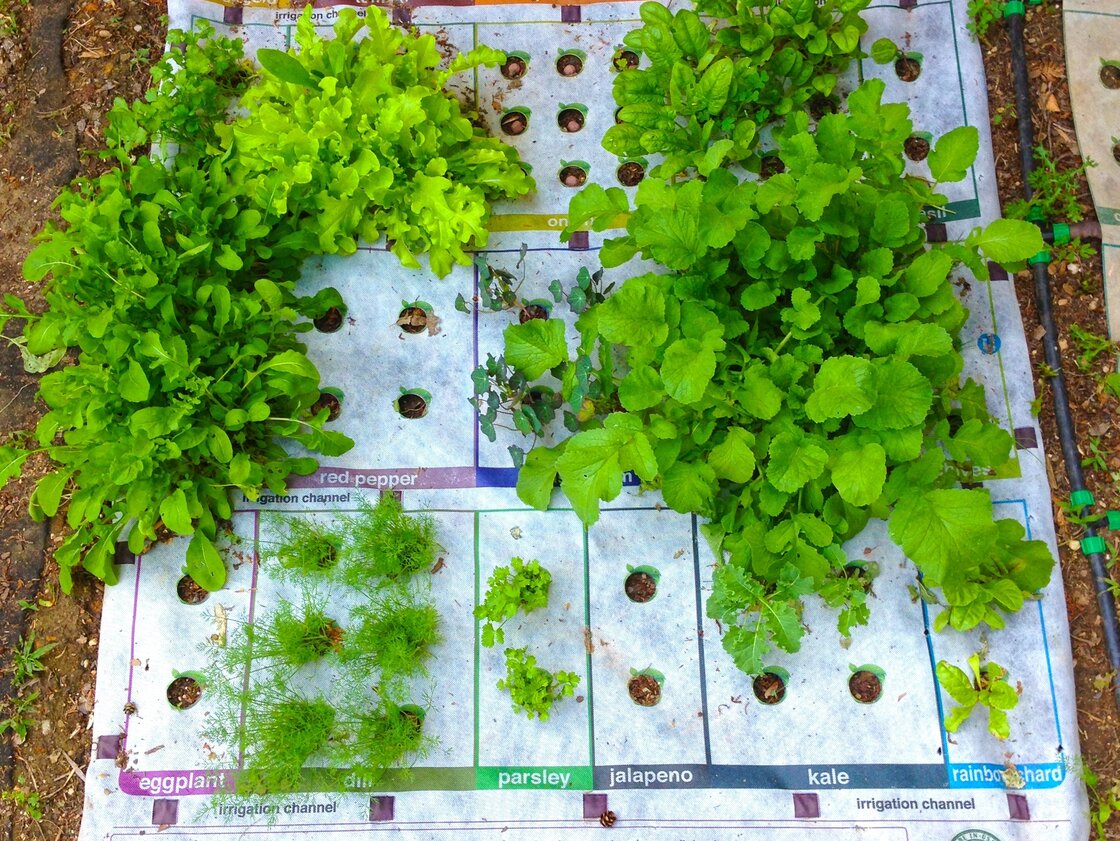 Now begins the tale of how Marty (me) and Rodney (fellow gardener and friend) went on a journey to try and answer some of these questions.
It all began one December night at Scooters restaurant talking about unique opportunities to reach out to the community. Need a narrative here...
Okay Rodney and anyone else following this blog, let's begin gardening.
 Where do we begin? The winter has been unseasonably warm here in Lititz PA so gardening has never been that far from my mind. This week alone we saw seventy degree weather and winter is not officially over yet. Now that the weather is getting warmer it's probably a good time to begin growing seeds.
I had many questions going into this project. What's the best way to grow seeds indoors? What seeds should be chosen? Will there be enough time to complete our mission? With so many unknowns and a clear lack of knowledge on the subject, I decided research was necessary to initiate a successful start to the growing season. Here are some of the findings so far:
- Urban Farm magazine provided a great resource to begin gathering ideas.
- The Remote Gardener shared information on how to grow plants in two-liter bottles and rain gutters. Perhaps we can use the bottles to develop a micro habitat suitable for deck-based gardening. Check out the videos on YouTube.
- A shop light fixture at Home Depot is an inexpensive fixture that could be hung or held on a stand.
- Full spectrum lamps should provide enough light to get seedlings growing.
- Newspaper starter pots provide an economically and environmentally better choice for starter pots than using commercial products.
Subscribe to:
Posts (Atom)